

When a patient experiences a seizure-like episode, clinicians face an immediate and critical question: is this a neurological event or a psychological one? Psychogenic seizures, also known as psychogenic nonepileptic seizures (PNES), closely mimic epileptic seizures in appearance but arise from psychological rather than abnormal electrical brain activity.
For neuroscience nurses, understanding this distinction directly shapes patient care, medication decisions, and long-term outcomes.
Understanding Psychogenic Seizures
Psychogenic seizures are episodes that resemble epileptic seizures but occur without the abnormal electrical discharges seen in epilepsy. They fall under the category of functional neurological disorders, meaning the brain's function is disrupted without detectable structural or electrical abnormality. PNES often connects to psychological stress, trauma, anxiety, or mood disorders, and it disproportionately affects women and individuals with a history of adverse life experiences.
Importantly, psychogenic seizures are not fabricated. Patients do not consciously produce these episodes, and the distress they experience is genuine. Mischaracterizing PNES as intentional behavior undermines trust, delays appropriate treatment, and worsens outcomes.
Clinical Features That Differentiate Psychogenic Seizures from Epilepsy
Clinical observation remains a cornerstone of differentiation, as psychogenic seizures can look remarkably similar to epileptic events. Several features, when present together, can raise suspicion for PNES rather than epilepsy.
Movement Patterns
Movement in psychogenic seizures often appears asynchronous. Patients may exhibit side-to-side head movements, pelvic thrusting, or irregular limb thrashing that lacks the rhythmic, synchronized quality of tonic-clonic epileptic seizures. PNES episodes also tend to last longer, sometimes several minutes, whereas most generalized tonic-clonic seizures resolve within 90 seconds.
Ictal Behavior
Patients experiencing psychogenic seizures frequently maintain some degree of awareness. They may respond to voice during an event or resist eye opening when clinicians attempt to examine them. Epileptic seizures, by contrast, typically produce complete unresponsiveness without purposeful or emotionally reactive movements.
Postictal Recovery
Postictal recovery differs meaningfully between the two conditions. After a generalized epileptic seizure, patients typically experience confusion, fatigue, and disorientation lasting minutes to hours. After a psychogenic seizure, patients recover quickly and remain neurologically alert, though they may show emotional distress.
The Gold Standard: Video-EEG Monitoring
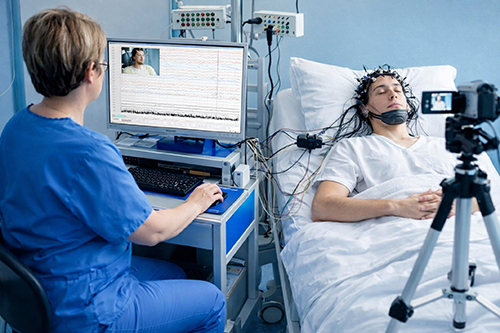
Clinical features provide useful guidance, but they are not enough for a definitive diagnosis. Video-EEG monitoring is the gold standard for differentiating psychogenic seizures from epileptic events, capturing movements and brain electrical activity simultaneously. Neuroscience nurses support this process by documenting key details during each episode:
Seizure onset and any identifiable triggers
Movement patterns, including type, rhythm, and progression
Duration of the episode from start to finish
Responsiveness during the event, such as reaction to voice or touch
Postictal behavior, including recovery time and neurological status
A normal EEG during a clinical seizure strongly supports a PNES diagnosis. Nurses who recognize early signs of an event and initiate monitoring protocols can make the difference between capturing a diagnostic episode or missing it entirely.
Communicating the Psychogenic Seizures Diagnosis
Delivering a PNES diagnosis requires sensitivity and precision. Patients often feel dismissed when told their seizures are "not real," especially after years of treatment for epilepsy. Neuroscience nurses can reinforce several key points to support this conversation:
Psychogenic seizures are a recognized medical condition, not a sign of weakness or deception
The brain is genuinely involved, even without abnormal electrical activity
Cognitive behavioral therapy (CBT) is currently the most evidence-supported treatment for PNES
Antiepileptic drugs are ineffective for psychogenic seizures and may introduce unnecessary side effects
Early and accurate diagnosis prevents prolonged inappropriate treatment and opens the door to meaningful recovery

ow the diagnosis is framed can significantly influence whether a patient engages with treatment or withdraws from care altogether. Nurses who approach this conversation with empathy and clear, jargon-free language help patients move from confusion and frustration toward acceptance and action. That kind of therapeutic communication is a skill as clinically valuable as any technical competency in neuroscience nursing.
The Nurse's Role in Ongoing Care
Managing patients with psychogenic seizures requires an interdisciplinary approach involving neurology, psychiatry, and psychology. Neuroscience nurses serve as a consistent point of contact across these specialties, coordinating care, educating patients and families, and monitoring treatment response over time.
Nurses in epilepsy monitoring units, outpatient neurology clinics, and inpatient settings are often the first to notice patterns that distinguish psychogenic seizures from epileptic events. That clinical vigilance, grounded in strong neuroscience nursing education, protects patients from misdiagnosis and steers them toward the care they truly need.
To deepen your expertise in seizure management and comprehensive epilepsy care, explore AANN's Epilepsy Certificate Program and learn how membership can support your professional growth at AANN.