
A patient who was chatting an hour ago is now hard to rouse. One pupil reacts a little slower than the other. Caught early, those two findings can be the first sign of a brain in trouble. Neurological assessment (also known as neuro assessment) in nursing is the disciplined skill of noticing them and acting before a small change becomes a crisis.
The work is methodical: checking consciousness, pupils, and movement, then tracking how the findings shift. When caring for someone with seizures or epilepsy, that vigilance is anything but routine. It often decides whether the team catches a deficit in time.
The Building Blocks of Neuro Assessment
A reliable exam rests on a few core components, done the same way every time and recorded clearly:
Level of consciousness, often scored with the Glasgow Coma Scale (GCS)
Pupil size, equality, and reactivity to light
Motor strength and symmetry in all four limbs
Speech, orientation, and cranial nerve function
Vital sign trends that can signal rising intracranial pressure
Each component tells part of the story, and a change in any one can be the earliest clue. The real value, however, lies in repetition. A single check is a snapshot, but a series reveals the trajectory that drives every decision after it. Yet an exam helps only if the team can act on it. Clear, consistent notes allow the next clinician to compare findings and spot trends across the shift.
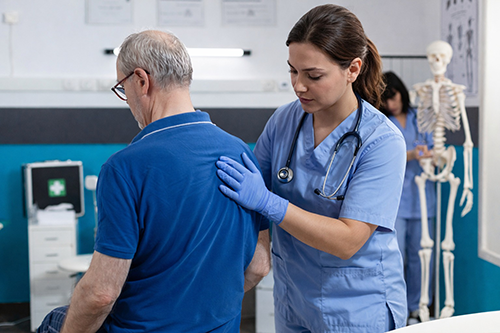
A structured handoff matters just as much. The strongest ones include the specific finding, when it appeared, and the change since the last check. For example, a two-point drop in the GCS prompts action in a way that "looks worse" never will. The American Association of Neuroscience Nurses’ (AANN) clinical practice guidelines give clinicians a shared, evidence-based reference for performing and standardizing these exams.
Applying the Exam in Seizures and Epilepsy
Epilepsy is common. About 2.9 million U.S. adults live with active epilepsy, roughly one percent of the adult population. So good care depends on what the bedside team sees before, during, and after a seizure. Some patients sense a warning aura beforehand, which buys time to prepare.
During an event, the team records the start time, the duration, and the movement pattern. Recognizing the seizure type, from focal to generalized, shapes both the workup and the response. Still, the exam afterward is just as important. A long delay in waking, a new one-sided weakness, or a seizure that will not stop signals an emergency.
Status epilepticus is one such emergency. It means a seizure that lasts five minutes or longer, or repeated seizures without a return to baseline between them. A sharp eye is what catches it early. The warning signs include:
A convulsive seizure that lasts for more than five minutes
Repeated episodes with no recovery between them
Subtle signs of ongoing activity, such as eye deviation or rhythmic twitching, in someone who is not waking up
Together, fast recognition, airway protection, and timely treatment protect the brain from lasting harm. Recording the exact times is critical because every later decision depends on them.
Strengthening Neuro Assessment Through Nursing Education
Skill at the bedside grows with structured learning. For clinicians who care for this population, the AANN/ABNN Seizure and Epilepsy Certificate Program builds focused, practical knowledge. It covers seizure types, monitoring, and care in the epilepsy monitoring unit.
Quick-reference tools can also help in the moment. AANN's neuroscience resources also include checklists and guides that reinforce a consistent routine, which helps those newer to neuro. Formal courses and quick guides each shorten the path from competent to expert.
Sharpen the Skills Your Patients Depend On
A strong neurological exam is the quiet foundation of safe neuroscience care. That skill sharpens with every repetition and every new piece of evidence. So if you want to build that expertise alongside a community of fellow specialists, consider availing of an AANN membership. It connects you to the education, guidelines, and colleagues that support your growth.
Frequently Asked Questions
What is the most important part of a neurological exam? No single piece stands alone, but the level of consciousness is often the most sensitive early sign of change. A drop in the Glasgow Coma Scale score frequently shows up before anything else. Still, the most reliable read comes from assessing all the components together and comparing them to the patient's last exam.
How often should neuro checks be done? It depends on the patient's condition, diagnosis, and unit protocol. A stable patient may need a check every few hours. An unstable or post-procedure patient may need one every fifteen minutes to an hour. Consistency is the key, so any change is caught quickly and recorded clearly.
What should a nurse do right after a patient has a seizure? First, secure airway, breathing, and safety. Then complete a focused exam, noting how long the seizure lasted and how quickly the patient returns to baseline. Report any prolonged recovery, new deficit, or repeated event promptly, since these can signal a need for urgent care.
How can a nurse build stronger neuro assessment skills? Practice consistently, use a standardized framework, and learn from current guidelines and structured education. Certificate programs and specialty resources for neuroscience and epilepsy can speed that growth, especially with feedback from experienced colleagues.