
Every November, National NP Week celebrates the advanced practice nurses whoEvery November, National NP Week celebrates the advanced practice nurses whochange lives. Among them, the neuroscience nurse practitioner stands out. These professionals care for some of the most complex patients in healthcare. Their impact on patient outcomes is real, measurable, and significant.
Neurological diseases are growing in number every year. Yet there are not enough neurologists to meet the demand. That is where neuroscience nurse practitioners step in. They help close the gap between patients who need specialty care and the specialists available to provide it.
The American Association of Neuroscience Nurses (AANN) supports these advancedpractice nurses. AANN offers several educational resources for advanced practice providers, including content at the Neuroscience Nursing Annual Conference, the Neuro-APP Certificate Program, and Quick Guides.
What Does a Neuroscience Nurse Practitioner Do?
A neuroscience nurse practitioner is more than just a regular nurse. They haveadvanced clinical training. They are qualified to diagnose, treat, and manageneurological conditions. Their work covers a wide range of responsibilities.
For example, a neuroscience NP may:
- Perform full neurological exams to track a patient's brain and nerve function
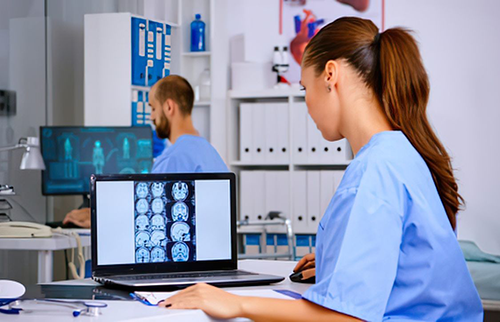
- Order and review brain scans like MRIs or CT scans
- Manage medications for conditions such as epilepsy, stroke, and Parkinson's disease
- Coordinate care with surgeons, therapists, and social workers
- Educate patients and families on managing their condition at home
In short, neuroscience NPs bridge clinical care and patient support. They are a trusted constant in a patient's care journey.
How the Nurse Practitioner Improves Patient Outcomes
Research shows that NP-led care improves access to specialty services. This is especially true in rural and underserved communities. Patients who see an NP regularly are diagnosed faster and managed more consistently.
In stroke care, NPs play a direct role in saving lives. They help reduce the time from stroke symptom onset to treatment. Faster treatment leads to less brain damage. That translates to better recovery for patients.
Additionally, NPs reduce hospital readmission rates. They follow patients from the acute phase all the way into recovery. This continuity of care makes a measurable difference. For nurses looking to deepen their stroke knowledge, AANN's Comprehensive Review for Stroke Nursing or the Stroke Certified Registered Nurse (SCRN) credential are excellent starting points.
Why Neuroscience Nurse Practitioners Are Different From Other NPs
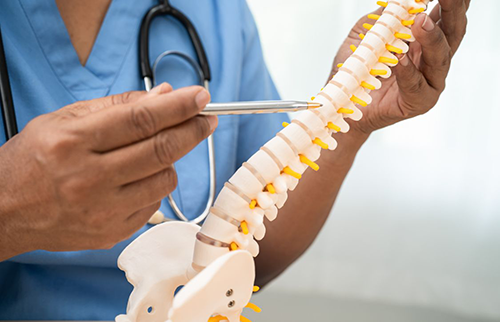
Not all NPs are the same. A neuroscience NP has a specialized focus. They understand how brain and spinal cord conditions affect the whole person. This includes movement, speech, memory, and mood.
This specialized knowledge takes years to develop. It requires ongoing education and clinical experience. That is why professional development resources matter so much. AANN offers both through its Neuroscience Nursing Annual Conference and its online learning tools.
Furthermore, neuroscience NPs who pursue the CNRN certification show a high level of commitment to the specialty. This credential, managed by the American Board of Neuroscience Nursing (ABNN), is a mark of clinical excellence.
Challenges Neuroscience Nurse Practitioners Face
Despite their value, neuroscience NPs face real challenges. Resources in manyhealthcare settings are limited. Staffing ratios are often too high. Professional development funds are hard to come by.
On top of that, not every state allows NPs to practice to the full extent of their training. These barriers slow down patient access to care. AANN actively advocates for policies that remove these barriers. The goal is to allow NPs to practice where they are needed most.
For nurses navigating these challenges, the AANN blog offers practical insights. It covers clinical topics, career advice, and the latest news in neuroscience nursing.
Celebrating the Nurse Practitioner This November
National NP Week is a reminder of how much advanced practice nurses contribute. For patients with neurological conditions, the neuroscience NP is often the face of their care team. They are the ones answering calls, adjusting medications, and helping patients find their way forward.
This month, take time to recognize and thank a neuroscience NP. Their work matters. Their expertise saves lives. And their dedication to this specialty makes neuroscience nursing stronger for everyone.
Take the Next Step With AANN
Whether you are a neuroscience NP or an RN considering the advanced practice path, AANN is here to support you. From education to advocacy to community, AANN has what you need to grow. Become a member today and join more than 5,200 neuroscience nurses and healthcare professionals making a difference.
Categories: Professional Development | Advanced Practice | Neuro-APP Certificate