
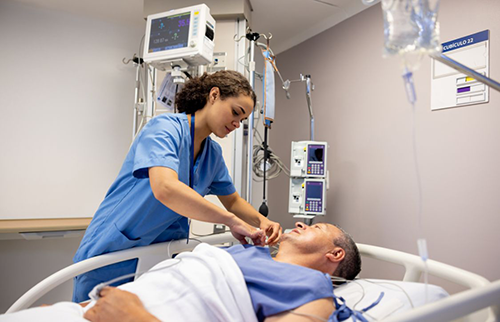
A nurse practitioner, or NP, often serves as the steady hand guiding a neuro-critical care team. Patients in these units face rapid changes that demand fast, informed clinical decisions around the clock. Nurse practitioners bring the training and presence needed to manage that constant pressure well.
Neuro-critical care differs from general critical care because brain and spinal cord injuries shift quickly. Small changes in a patient's condition can signal serious complications if no one catches them early.
What a Nurse Practitioner Does on a Neuro-Critical Care Team
A nurse practitioner monitors neurological status, adjusts treatment plans, and communicates changes across the care team. On a neuro-critical care unit, this often means frequent neuro-checks and rapid documentation of subtle shifts. Because conditions change quickly, the nurse practitioner becomes the steady link between physicians, nurses, and families.
The Nurse Practitioner Role in Neuro-Critical Care
Nurse practitioners working in neuro-critical care manage patients recovering from stroke, brain injury, and spinal trauma. Their training allows them to interpret imaging results, adjust medications, and order additional testing quickly.
Nurse practitioners also lead family conversations during some of the most difficult moments in care. Families often look to the nurse practitioner for clear updates on prognosis and next steps. Clear communication reduces confusion and builds trust between families and the wider clinical team.
Additionally, nurse practitioners often supervise newer staff working within the neuro-critical care unit. Mentorship helps junior nurses understand subtle neurological changes before they become serious problems.
Many nurse practitioners in this specialty pursue the CNRN certification through the American Board of Neuroscience Nursing (ABNN). The CNRN credential represents specialized experience and knowledge in the care of patients with neurological trauma and illness. As a result, patients and colleagues gain added confidence in that provider's clinical judgment.
Daily Responsibilities Inside the Neuro-Critical Care Team
Every shift brings a fresh set of decisions that shape patient outcomes across the unit. A nurse practitioner typically starts the day reviewing overnight neurochecks and any new imaging results. From there, priorities shift quickly based on which patients show signs of neurological change.
Furthermore, nurse practitioners coordinate closely with therapists, pharmacists, and case managers throughout each shift. Close coordination keeps recovery plans on track even as a patient's condition evolves.
Consider the range of tasks a nurse practitioner manages during a single twelve-hour shift:
- Performing detailed neurological exams at set intervals throughout the day
- Adjusting sedation and pain management plans based on patient response
- Reviewing lab values and imaging for signs of new complications
- Updating families and physicians on any meaningful clinical changes
These responsibilities require sharp clinical judgment paired with calm, clear communication under pressure. Because the stakes remain high, nurse practitioners rely on strong training and ongoing education to stay sharp.
Continuing education through resources like the Journal of Neuroscience Nursing keeps clinical knowledge current. Staying current with new research helps nurse practitioners adjust their practice as evidence evolves.
Why Nurse Practitioner Leadership Improves Patient Outcomes
Research on advanced practice providers shows that nurse practitioner involvement often improves recovery timelines significantly. When a nurse practitioner leads daily rounds, care teams tend to catch complications earlier than before. Earlier detection frequently means faster intervention and better outcomes for patients with neurological injuries.
Therefore, hospitals increasingly place nurse practitioners at the center of neuro-critical care staffing models. Such change reflects growing recognition of the clinical value these providers bring to complex units.

Nurse practitioners also reduce strain on physician staffing by handling routine assessments and adjustments independently. Consequently, physicians can focus their attention on the most complex or unstable patients in the unit.
Building Stronger Nurse Practitioner Teams Over Time
Hospitals looking to strengthen their neuro-critical care staffing should invest in nurse practitioner training and mentorship. Supporting attendance at the AANN Neuroscience Nursing Annual Conference helps providers stay current with best practices as conference sessions increasingly address neuro-critical care leadership directly.
Encouraging membership through AANN also connects nurse practitioners with a wider professional community. Such connection supports long-term growth and keeps clinical practice aligned with evolving standards of care.
Partner With AANN to Strengthen Your Neuro-Critical Care Team
Nurse practitioners bring clinical depth, steady leadership, and constant presence to neuro-critical care units nationwide. Their role continues to grow as hospitals recognize the value of advanced practice expertise at the bedside. Supporting these providers with education and mentorship strengthens outcomes for every patient in their care.
AANN offers conference education, certification pathways, and community connections built specifically for this specialty. From the Annual Conference to ongoing professional resources, support exists for nurse practitioners at every career stage. If your team wants to strengthen neuro-critical care leadership, contact AANN to explore these resources together.
Categories: Critical Care | Advanced Practice | Professional Development | Leadership