

Consider the nurse who catches a patient mid-freeze at the bedside rail, an hour after a late dose. That moment is preventable. Parkinson's nursing care is built on one reality: the drug must arrive on time. Studies show that more than half of all Parkinson’s Disease (PD) doses during unplanned admissions arrive more than 30 minutes late. Even worse, nearly one-third are delayed for more than an hour. For patients whose motor function depends on steady dopamine levels, that gap causes real harm.
Why Timing Is Central to Excellent Parkinson's Nursing Care
PD destroys dopamine neurons in the substantia nigra. Carbidopa-levodopa replaces that signal. Yet the drug works only with consistent plasma levels. When doses fall outside the home schedule, patients shift into off states. Rigidity sets in. Gait freezes. Fall risk climbs. The NINDS describes PD as chronic and progressive. Indeed, each disruption compounds the next.
Three barriers disrupt inpatient dosing. First, rigid hospital schedules don't fit home dosing needs. Some patients need a dose every one to two hours. Second, units often don't stock the right drug forms. Third, dysphagia gets in the way when teams skip swallowing checks before the dose window opens.
Your admission assessment should address all three. Write down the home schedule in detail. Confirm drug availability with the pharmacy. Flag swallowing concerns for speech therapy before the first dose is due. Also, loop in the dietitian early. Protein competes with levodopa for absorption. Specifically, a high-protein meal near a dose can blunt the drug's effect and mimic an off state.
Monitoring Motor Fluctuations in Parkinson's Care
Motor fluctuations in Parkinson's nursing care follow a pattern you can track. On states bring mobility and less tremor. Conversely, off states bring rigidity, slow movement, and frozen gaits. Log these shifts against the dose schedule, as the comparison helps the team determine whether these reflect missed doses or disease progress. The answer shapes the care plan. It also helps the neurologist decide whether to adjust the dose or timing.
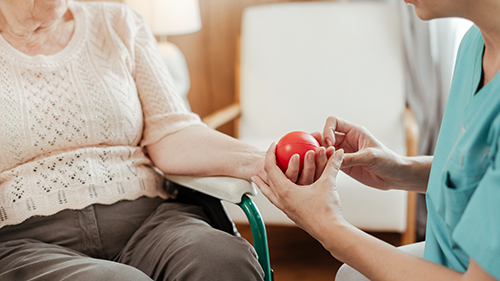
Standard fall-risk tools miss the mark in PD. They don't capture gait freezing, poor balance, or the sudden shift between on and off states. Instead, a focused check covers freezing episodes, trouble turning, and hazards in the room. Physical therapy early in the stay produces better results than a referral at discharge. So does early speech therapy. Aspiration events raise acuity, extend stays, and cut the activity that supports motor function.
A focused fall check includes the following:
Logging every freezing episode with time and trigger
Checking footwear, floor surfaces, and bed height on admission
Getting physical therapy involved within the first 24 hours
Teaching the patient and caregiver cueing strategies for frozen gait
Together, these steps cut the fall risk in ways that standard tools can miss entirely.
Strengthening Parkinson's Nursing Care Through Documentation
Good records anchor every handoff. Write down the drug form, exact dose times, and any notes from the neurologist. Research shows that nursing alerts in the chart improve on-time PD dosing. Furthermore, stocking the right drug forms in dispensing machines helps too. For example, units that used both saw fewer delayed doses and fewer off-state events. That evidence belongs in your unit's workflow.
Before discharge, confirm the outpatient schedule matches any changes made during the stay. Make sure the patient and caregiver can explain the dosing plan. Schedule a neurology follow-up appointment within a safe window. In addition, send home a written schedule in plain language. Teaching caregivers to spot off-period signs and manage frozen gait reduces readmission risk. Similarly, showing them how to respond to a freezing episode keeps the patient safer at home. These steps belong in every PD discharge plan.
Ultimately, Parkinson's nursing care is what stands between a stable stay and a preventable decline. The field keeps moving, and keeping up matters at the bedside. The American Association of Neuroscience Nurses (AANN) supports nurses across the full PD care continuum. Parkinson's nursing care resources, mentorship, and professional growth tools are all part of membership. Additionally, the organization connects you with more than 5,200 colleagues who share that standard. Securing an AANN membership puts that community solidly behind your practice.
Frequently Asked Questions
What is the biggest medication risk for hospitalized Parkinson's patients? Delayed or missed carbidopa-levodopa doses are the most consequential risk. Even a 30-minute delay can push a patient into an off state, increasing rigidity, postural instability, and fall risk. Reconciling the home dosing schedule at admission and building it into the electronic medical record reduces timing errors during the stay.
How does dietary protein affect levodopa absorption? Large neutral amino acids from dietary protein compete with levodopa for intestinal absorption. Specifically, a high-protein meal close to a dose can blunt the medication's effect and produce symptoms that resemble an off state. Coordinating meal timing with the medication schedule, in collaboration with the dietitian, addresses this without changing the drug regimen.
Why do standard fall-risk tools underperform in Parkinson's patients? Generic fall-risk tools don't account for disease-specific mechanisms: freezing of gait, poor balance, and the abrupt shift between on and off states. A targeted assessment that documents freezing episodes, trouble turning, and room hazards provides an accurate picture of risk.
What should a nurse confirm before discharging a Parkinson's patient? First, confirm if the outpatient schedule matches any inpatient changes. Then, check if the patient and caregiver can explain the dosing plan. Finally, check if a neurology follow-up is scheduled. Teaching caregivers to spot off-period signs and manage freezing at home is a direct readmission prevention measure.
Categories: Parkinsons | Movement Disorders | Education