
Patients, families, and even clinicians build their view of head injury care around concussion myths. Many of these ideas sound reasonable, yet they collapse under close scientific review. You can guide patients toward a safer recovery once you know what the evidence shows.
Outdated advice about imaging, rest, and long-term brain damage still circulates widely today. Protect patients from unnecessary fear and delayed treatment by correcting these myths. The list below walks through five common concussion myths and the research that contradicts them.
What Does the Evidence Show About Common Concussion Myths?
The evidence shows that most concussion myths do not survive close scientific examination. Concussions do not always involve a loss of consciousness, and imaging often looks normal. Recovery timelines also vary widely, so no single myth fits every patient's experience.
Concussion Myth 1: A Blackout Always Confirms a Concussion
Concussion myths spread quickly because head injuries often seem simple on the surface. Many patients and families believe a concussion always causes a blackout or visible wound. Neither assumption holds up once you look at the actual research on head injuries. 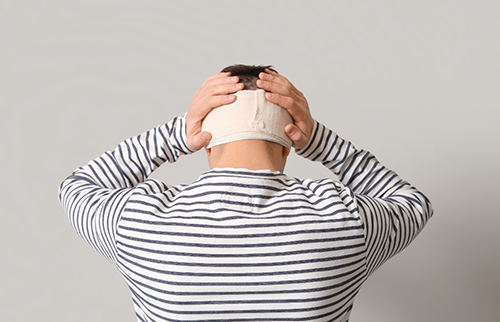
Most concussions involve no loss of consciousness, and visible injury is not required. You may still watch closely for symptoms like confusion, headache, or sensitivity to light. Assess every head injury carefully, regardless of whether the patient lost consciousness. You risk delaying diagnosis and proper care by waiting for a dramatic symptom. A thorough evaluation catches concussions that a quick glance would otherwise miss entirely.
Concussion Myth 2: A Normal CT Scan Rules Out an Injury
Another common myth claims that a normal CT scan rules out a concussion completely. Concussion is a functional injury, so standard imaging often looks normal despite real symptoms. You cannot rule out a concussion using imaging results alone in most clinical cases.
You risk leaving a genuine concussion undiagnosed for several weeks by trusting imaging alone. A thorough clinical exam catches symptoms that a scan on its own would miss. Combining imaging with a full symptom history and a hands-on neurological exam is the best option.
Patients deserve a full evaluation even when their scan results come back clear. Thorough documentation of the exam helps disprove common concussion myths about imaging accuracy.
Concussion Myth 3: Complete Rest Speeds Up Recovery
A third myth suggests that complete rest, with no activity, speeds recovery fastest. Older guidance recommended strict rest in a dark room for several days straight. Newer research shows this old approach can slow recovery for many patients today.
Current guidance favors a gradual return to light activity within a few days. Most patients benefit from short walks within twenty-four to forty-eight hours. Screen time and reading in moderation no longer carry the strict bans they once did. AANN's overview of standardizing neurocheck documentation for improved outcomes shows how careful assessment supports better recovery.
Concussion Myth 4: One Injury Causes Permanent Brain Damage
Some patients believe a single concussion causes permanent brain damage on its own. Most people recover fully within weeks when they follow a structured recovery plan. Repeated concussions, however, do raise the risk of longer term cognitive problems later.
Track the number and timing of prior concussions for every returning patient. Spacing between injuries matters more for long term outcomes than the injury count alone. AANN's guide on neuro assessment, from brain anatomy to seizure management, offers a useful framework for structured evaluation. Structured evaluation helps you catch subtle cognitive changes before they turn into lasting problems.
Concussion Myth 5: Symptoms Mimic a Stroke or Seizure
Some patients assume concussion symptoms look nothing like a stroke or a seizure. Symptom overlap between these conditions fuels real confusion for patients and their families. Other patients mistake concussion symptoms for a stroke or a seizure, which raises anxiety. atch closely for one-sided weakness, slurred speech, or sudden vision loss. Signs like these point toward a stroke rather than a typical concussion case. AANN's article on educating patients about the warning signs of a mini stroke offers a useful comparison.

How You Correct Concussion Myths in Practice
Correcting concussion myths works best through an open conversation, not a one-sided lecture. You ask patients and families what they already believe about typical recovery timelines. Their answers reveal exactly which myths you need to address first with them.
Use plain, everyday language instead of clinical terms when explaining the evidence. Written take-home materials reinforce what you say and reduce confusion later at home.
Aligned messaging across your entire care team prevents mixed signals for every patient. AANN's resource on silent strokes and future infarct risk shows how myths about one condition delay care for another.
Share the Evidence on Concussion Myths With Your Team
Concussion myths persist because outdated advice still circulates among patients and their clinicians. The evidence tells a different story about imaging, rest, and long-term recovery. Sharing accurate, evidence-based information protects your patients from unnecessary fear and delayed treatment.
Your role as a neuroscience nurse puts you in a strong position to correct these myths. Clear, evidence-based education builds trust and improves outcomes for every patient you see. Reach out to your neuroscience nursing network to keep these conversations going strong.
Categories: Education | Neurotrauma